
The fire is out, the trucks are gone, and nothing looks like it is getting worse. That impression is the expensive part.
Fire damage does not stop when the flames do. Soot keeps reacting with surfaces, water keeps soaking in, and odor keeps working deeper into anything porous.
The reason to act fast after a fire is not panic. It is that four separate clocks started the moment the fire did, and three of them are not physical.
This page is the clock, not the checklist. If you have not done the basics yet, start with the first steps after a house fire, then come back for the reasoning.
Why do you need to act fast after a fire?
You need to act fast after a fire because fresh soot is chemically active, and it converts surfaces from cleanable into replaceable while you are still deciding what to do.
Smoke residue is acidic. Burning plastics, foam, vinyl and treated wood release chlorides and sulphur compounds that settle out as corrosive salts on every surface they land on.
Moisture makes it worse. Humidity and firefighting water dissolve those salts into an acid film, so residue gets more aggressive as the house sits damp and closed up.
That chemistry is broken down in what is actually in soot from a house fire. The short version is that it is not dust, and it does not sit still.
The other three clocks are paperwork. Prompt notice, proof of loss deadlines and living expense caps all run while you are still finding somewhere to sleep.
One honest caveat before the timeline. The hour by hour thresholds below are restoration industry convention built from field experience, not a controlled study, so treat them as working guidance.
What happens to your house hour by hour after a fire?
Here is the decay sequence restoration crews work to. Your version runs faster in a humid house and slower in a dry, cold, well ventilated one.
- Within hours: plastics, vinyl and painted appliance finishes start to yellow. Bare metal, chrome and unsealed marble begin to tarnish and discolor.
- Within 24 to 72 hours: the yellowing sets. Grout, unsealed stone and fiberglass stain, and metal fixtures start to pit rather than just tarnish.
- Within the first week: painted walls and wood finishes stain permanently, so cleaning quietly becomes repainting and refinishing.
- Within two to three weeks: corrosion reaches wiring, contacts and electronics, and odor has bonded into drywall, insulation and upholstery foam.
- After a month: carpet, glass, silver and soft contents are commonly written off instead of cleaned, and the job shifts from restore to replace.
Notice what actually changes down that list. The work does not get harder, it changes category, from cleaning labor into materials, demolition and rebuild.
That category change is where the money goes. A quote built on cleaning labor is a very different number from one built on demolition and replacement.
None of this is visible while it happens. Nothing looks worse on day four than it did on day one, which is exactly why people underestimate the delay.
Which materials go from cleanable to unsalvageable first?
Materials do not fail together. They fail in a fairly predictable order, and knowing that order tells you where the loss is growing right now.
- Bare metal and chrome: first to go. Taps, hinges, appliance trim and light fittings tarnish within hours and pit within days.
- Marble, alabaster and unsealed grout: porous and unforgiving. Acidic residue etches the surface, and etching does not wash off.
- Aluminium and painted appliance finishes: white goods yellow early, and the yellowing sets hard once a few days pass.
- Plastics and vinyl: window frames, switch plates, blinds and trim discolor quickly and rarely come back to white.
- Fiberglass: tub surrounds, shower pans and insulation stain within the first couple of days and are hard to bring back afterwards.
- Painted walls and ceilings: usually cleanable in the first days, usually a repaint job after a week of acidic residue sitting on them.
- Wood finishes: varnish and lacquer cloud and stain, which turns a wipe down into a strip and refinish.
- Upholstery, carpet and soft contents: absorb both odor and residue, and the longer they sit the more likely they are simply replaced.
- Brass and copper: corrode steadily rather than dramatically, so the damage often shows up weeks later on fittings and wiring.
The pattern is consistent. Hard, non porous and already sealed survives waiting. Porous, soft or bare metal does not.
This is why crews want hands on surfaces early, even before the full scope is agreed. Stabilizing a surface is cheap. Replacing it is not.
If your home is still open to weather or still holding firefighting water, that part genuinely cannot wait on a claim decision.
(844) 810-6096How fast does firefighting water become a mold problem?
Firefighting water is a separate loss riding along with the fire, and it moves on a faster clock than the soot does.
Crews put a large volume of water into a house in a very short time. Most of it ends up in floors, walls and insulation rather than running back out the door.
Once materials are soaked and the house is closed up, humidity climbs and stays there. Warm, damp, still air is exactly the condition mold needs.
That window is why drying starts before anything else is agreed. Miss it and you have added a mold remediation scope on top of the fire scope.
A second scope is how a fire damage restoration cost quietly doubles, and none of that second number was caused by the fire itself.
It also moves the demolition line. Wet drywall and insulation that could have been dried in place get cut out and binned once they have grown something.
And the two problems compound. Damp soot spreads further, wicks into porous material, and etches faster than the same residue would if the house were dry.
Why does smoke odor get harder to remove the longer it sits?
Because odor is not a smell sitting on top of your house. It is residue and volatile compounds that keep migrating into anything porous.
Drywall, bare timber, insulation, carpet backing and upholstery foam all absorb and hold those compounds, then release them slowly for months.
Early on, much of that residue is still on the surface, where cleaning agents can physically reach it. Later it is inside the material, where they cannot.
That is the difference between deodorizing and demolition. Late odor work often means sealing or replacing drywall, insulation and subfloor instead of cleaning them.
Realistic timescales are in how long it takes to get smoke smell out of a house, and they stretch badly when the first few weeks are lost.
What insurance deadlines start running the day of the fire?
The physical damage is only half the reason to move. The contractual clocks are the half nobody mentions while you are standing on the lawn.
Prompt notice comes first. Standard homeowners policies require you to notify the insurer as soon as reasonably possible, and a late report is easy for a carrier to argue about.
Then the sworn proof of loss. Many policies give you 60 days from the insurer's demand to submit a signed, itemised statement of what you lost.
If your inventory is not ready, ask in writing for an extension. Extensions are commonly granted. Missed deadlines almost never are.
Living expenses only pay while you are displaced, and they are capped in dollars or in months. Weeks burned at the start are weeks you cannot claim back at the end.
That cap is the quiet one. Six weeks spent choosing a contractor is six weeks of hotel coverage you will badly want during the rebuild instead.
There are also clocks on the insurer, such as state deadlines to acknowledge a claim and to accept or deny it. Those only start once you have actually reported the loss.
Can an insurer pay less because you did not act fast after a fire?
Yes, in principle, and this is the strongest reason to act fast after a fire even before you have chosen anyone to hire.
Every property policy carries a duty to mitigate. You are required to take reasonable steps to protect the property from further damage after a loss occurs.
California's standard form fire policy puts it plainly. The insured must protect the property from further damage and separate damaged from undamaged personal property.
The consequence is rarely a flat denial. It is that the extra damage caused by the delay can be treated as uncovered, while the original fire damage is still paid.
So rain that came through the open roof in week three, or mold that grew in standing water, can quietly land on your side of the ledger.
The reassuring half is that mitigation costs are covered. Board up, tarping, extraction and drying are normally paid as part of the claim, not out of your own pocket.
So there is no financial reason to hesitate on the emergency work. The thing you are protecting by moving is your own payout.
Why do board up and crew availability set the real deadline?
An unsecured fire damaged house keeps losing value in ways that have nothing to do with soot chemistry.
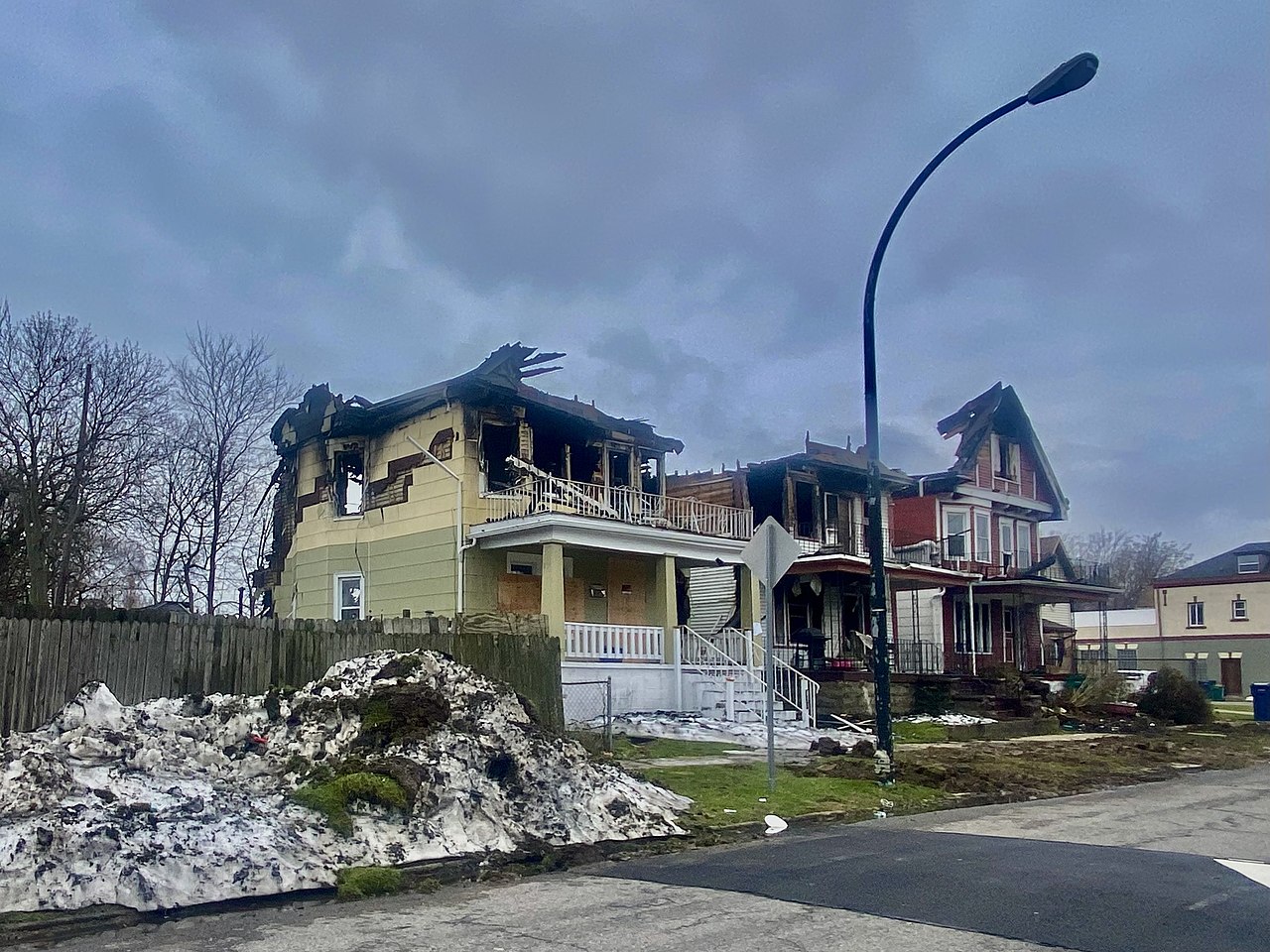
Weather comes in through a burned roof or blown out windows. A week of rain into an open structure can cost more in that area than the fire did.
Theft and vandalism follow empty houses, and a fire scene advertises itself. Copper, appliances and tools disappear from open properties fast.
There is a coverage wrinkle too. Some policies restrict theft, vandalism and water cover once a home has been vacant for 30 to 60 days, so tell your insurer it is empty.
Then the practical clock. After a wildfire or any multi property event, local crews book out, and the queue is formed by whoever called first.
That is capacity, not a scare tactic. Restoration demand spikes hard after a regional event and stays above local supply for months rather than days.
Getting on a list early costs you nothing and commits you to nothing. Assessment and scheduling are not the same as signing a contract.
Not sure how much of your damage is still stoppable? A quick assessment will tell you what is stable and what is on a clock.
(844) 810-6096When should you not rush, and what should you never rush?
Acting fast means stabilizing fast. It does not mean deciding fast, and the two get deliberately blurred by people who want a signature.
Never rush the paperwork. A full restoration contract or a direction to pay signed at the curb on day one is the most common regret in this whole process.
Never clean before it is documented. Photographs and video first, then the adjuster, because wiped soot erases the evidence of how far smoke actually travelled.
Never throw anything out early. Undocumented items are unpaid items, and that mistake plus the rest is laid out in what not to do after a house fire.
And some fires honestly do not need urgency. A small, contained incident with light soot on one wall, no water and no smell elsewhere is a calm weekend job.
The test is spread, not drama. If soot reached more than one room, the HVAC or metal fixtures, the clock is real. If it did not, you can breathe.
If you cannot tell which one you have, when to call a professional for fire damage gives you the dividing line without a sales pitch.
One rule covers almost all of it. Move fast on the physical, slowly on the contractual. Dry it, secure it, report it, then take your time choosing.
Common questions
Why do I need to act fast after a fire?
Because soot is acidic and keeps working after the flames stop. Within hours it tarnishes bare metal and yellows plastics and appliance finishes. Within days it etches stone and pits metal. Firefighting water can start mold in 24 to 48 hours, and your policy separately requires prompt notice and reasonable steps to prevent further damage.
How long before smoke and soot damage becomes permanent?
Restoration practice treats the first 24 to 72 hours as the window where most surfaces stay cleanable. After roughly a week, painted walls, wood finishes and grout tend to stain permanently. After two to three weeks, corrosion reaches wiring and electronics. These are industry conventions from field experience rather than published study thresholds.
Can my insurance company pay less if I waited too long?
It can reduce what it pays for damage that got worse because of the delay, rather than denying the original fire loss. Property policies carry a duty to mitigate, meaning you must take reasonable steps to protect the property. Mitigation work like board up, tarping, water extraction and drying is normally covered by the claim.
How fast does mold start after firefighting water?
EPA guidance is that in most cases mold will not grow if wet or damp materials are dried within 24 to 48 hours. After a fire the house is usually closed up and humid, which speeds things along. That is why extraction and drying start before the scope of repairs is agreed with anyone.
Does acting fast mean signing with the first restoration company?
No. Acting fast applies to physical stabilizing: securing the building, extracting water, starting drying and reporting the claim. It does not apply to a full restoration contract or a direction to pay, which should wait for a written scope of work. Getting assessed and scheduled is not the same as signing.
Is there any fire where you do not need to hurry?
Yes. A small, contained incident with light soot on one wall, no firefighting water and no smoke smell in other rooms can be handled calmly over a weekend. The honest test is spread. If residue reached more than one room, the HVAC system or metal fixtures, the clock is real and worth respecting.
Sources
- Mold Course Chapter 4: Preventing Mold Growth — U.S. Environmental Protection Agency (EPA)
- California Insurance Code Section 2071, Standard Form Fire Insurance Policy — California Legislative Information
- Fire Loss in the United States During 2024 — National Fire Protection Association (NFPA)
- After the Fire: Returning to Normal — U.S. Fire Administration (USFA), FEMA
- ANSI/IICRC S700 Standard for Professional Fire and Smoke Damage Restoration — Institute of Inspection, Cleaning and Restoration Certification (IICRC)
- ANSI/IICRC S500 Standard for Professional Water Damage Restoration — Institute of Inspection, Cleaning and Restoration Certification (IICRC)
- Settling Insurance Claims After a Disaster — Insurance Information Institute (Triple-I)
- Top Ten Tips for Wildfire Claimants — California Department of Insurance
- Recovering After a Home Fire — American Red Cross
 EmergencyWhat to Do First After a House Fire, Step by Step
 ProcessThe Order of Operations After a House Fire
 EmergencyWhat Not to Do After a House Fire
 HealthThe Chemicals in Soot From a House Fire
 OdorHow Long It Takes to Get Smoke Smell Out of a House
 DIY vs ProWhen to Call a Professional for Fire Damage